When you're shopping for a niche reference file, the choice usually comes down to what you'll actually do with it: get hands-on with a piece of gear, or pull together historical context for a specialized topic. Here we put two very different options side by side: the EMT 140 Reverb Plate Technical and Operation Manual (PDF option) and the rare 1968 book "A Model for File Structure Determination for Large Online Data Files."
Quick verdict
For anyone restoring, maintaining, or operating an EMT 140 plate reverb, the technical manual is the clear fit. It packs the schematics and service notes you'd need into a single reference. For a technical library or a study of early data-file structure thinking, the 1968 publication is the one that stands out-especially if you're after a 1st Edition trade paperback with a distinct academic pedigree.
Comparison at a glance
| Option | Price | Price Bar | Best For | Format |
|---|---|---|---|---|
| A Model for File Structure Determination for Large Online Data Files 1968 Rare | USD 25.00 | Historical research and collectible reference | Trade Paperback, 48 pages | |
| EMT 140 Reverb Plate Technical and Operation Manual (English) PDF File Option | USD 17.95 | Servicing and understanding EMT 140 hardware | PDF file option |
Where each product wins
The EMT 140 manual wins if you're working with the hardware. The product description goes into detail on all the technical documents, schematic diagrams, and service notes covering the plate itself, the remote control, and the driver and output amplifiers. That makes it a practical companion for an engineer or technician.
The 1968 file structure book wins if you're after a rare academic artifact. It's a 1st Edition, trade paperback, written by Laurence David Martin and published by Washington State University. The 48-page length and the language ("Advanced") suggest a scholarly audience. If your shelves already have plenty of hands-on manuals, this one adds a historical layer to a digital-age topic.
Product notes
A Model for File Structure Determination for Large Online Data Files 1968 Rare
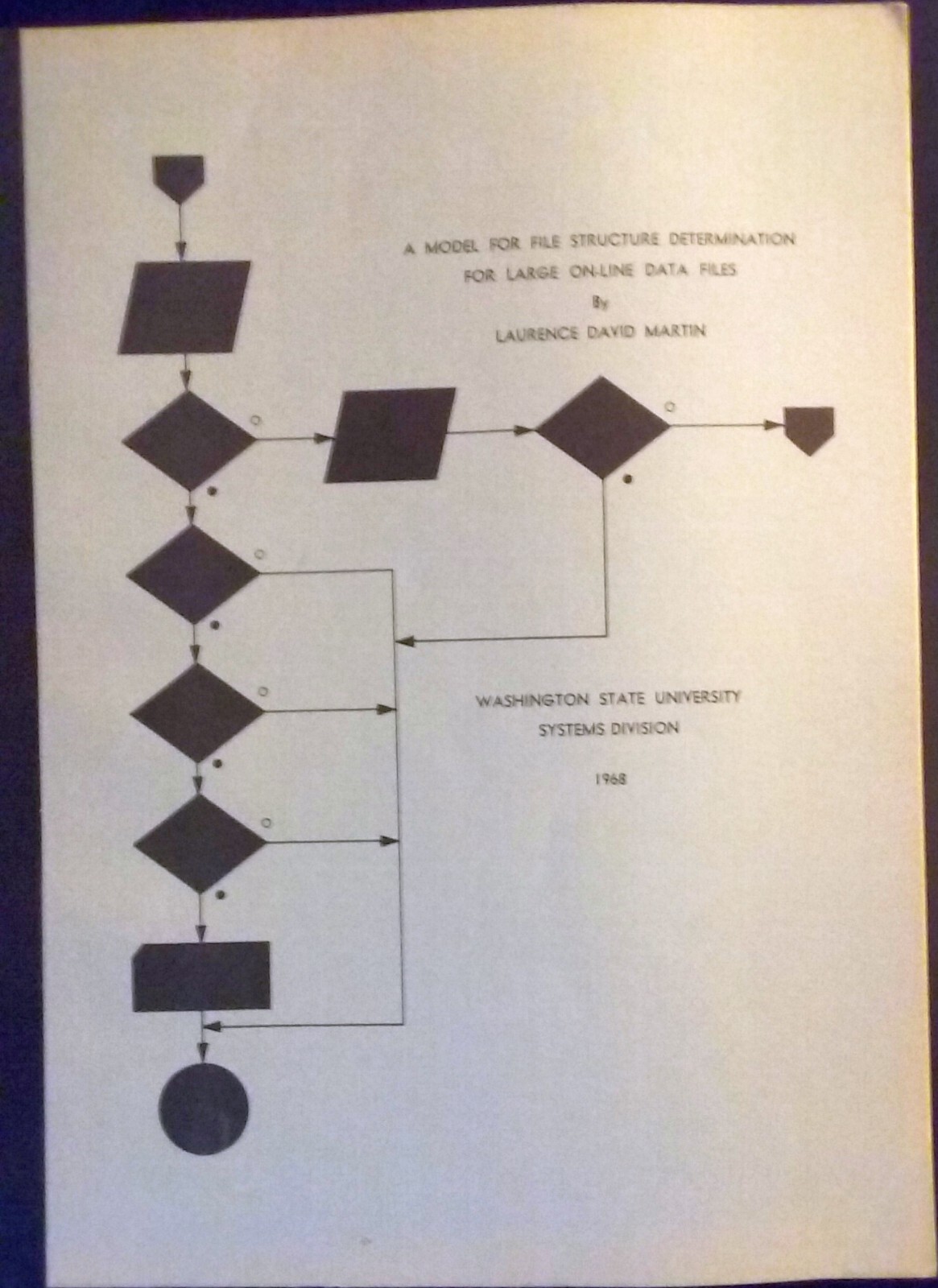
This is a niche, period-specific work on how large online data files were first conceptualized and organized. The title alone places it at a fascinating intersection of library science, computing, and file management in the late 1960s. The listing describes it as in Good condition with a 1st Edition trade paperback format. Its 48 pages make it a compact but dense read, and the author and publisher lend clear academic credibility. Choose this if you're building a research collection around early data structures or if you need a primary source for a historical paper. The limitation is its narrow subject area: it won't help you troubleshoot hardware or software, and the Good condition means a collector might want to inspect it closely before buying.
EMT 140 Reverb Plate Technical and Operation Manual (English) PDF File Option
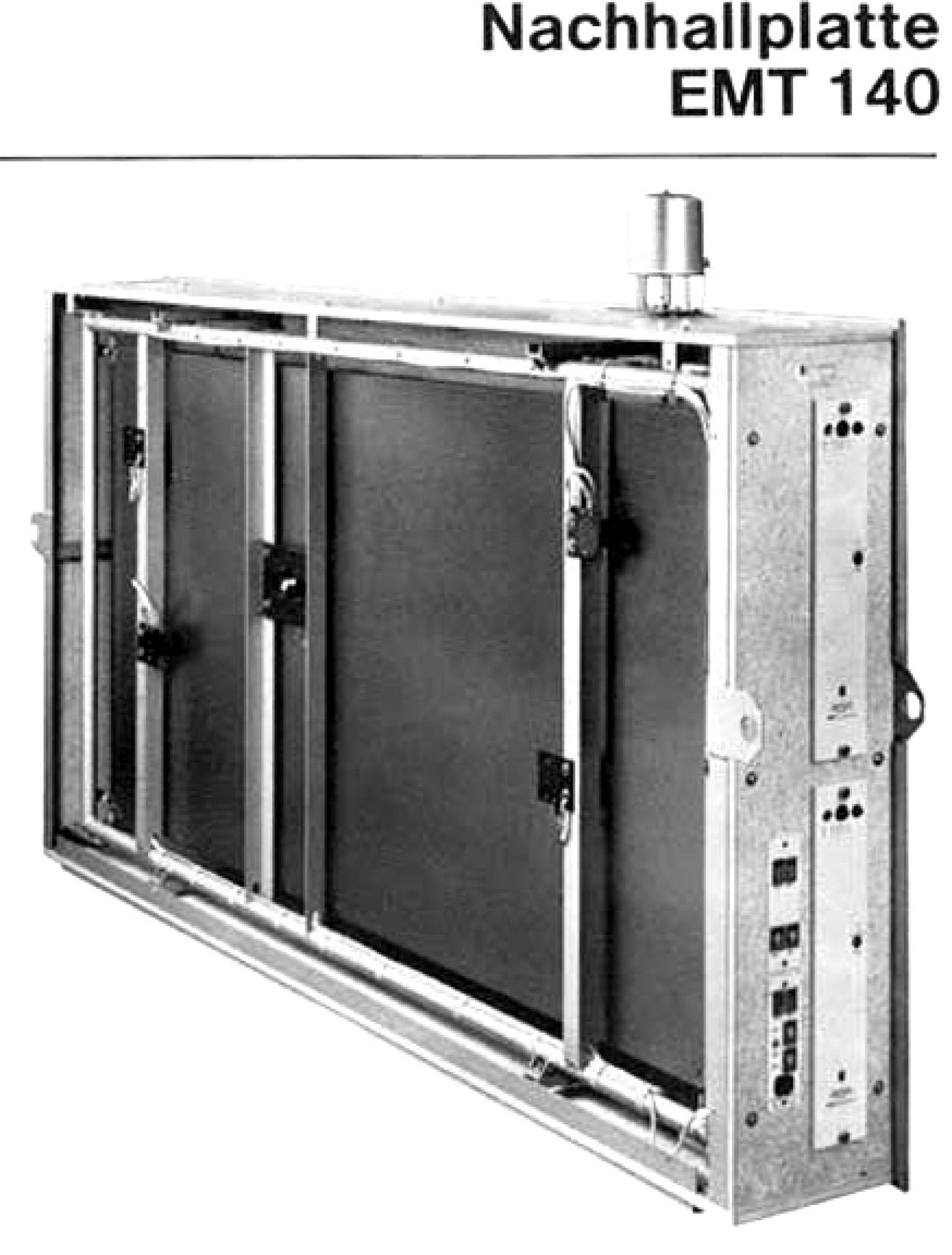
Here, the focus is squarely on practical use. The manual is described as a complete technical and operation guide to the EMT 140 reverb plate, with the option to receive it as a PDF file. It's brand new and includes everything from the technical documents to the numerous schematic diagrams and service notes for the plate, remote control, and the driver and output amplifiers. If you're repairing or calibrating this classic piece of studio gear, the PDF format lets you pull up the relevant schematic right on your tablet or phone. The trade-off is that it's a reproduction manual rather than the original hardware, and the PDF delivery will appeal to those who prefer a digital copy over a physical book. But for a technician, this is the more actionable of the two reference files.
Final choice by use case
- Need to service an EMT 140 plate reverb? Go with the EMT 140 Reverb Plate Technical and Operation Manual at USD 17.95. It's the lower-priced option and packed with the technical details you'll actually use in the studio.
- Researching the history of online data file structures? The 1968 model publication at USD 25.00 is the one to add to your library, especially if you value a 1st Edition from a university press.
Both options serve completely different roles, so your decision is really about whether you need a workshop reference or a scholarly collectible.